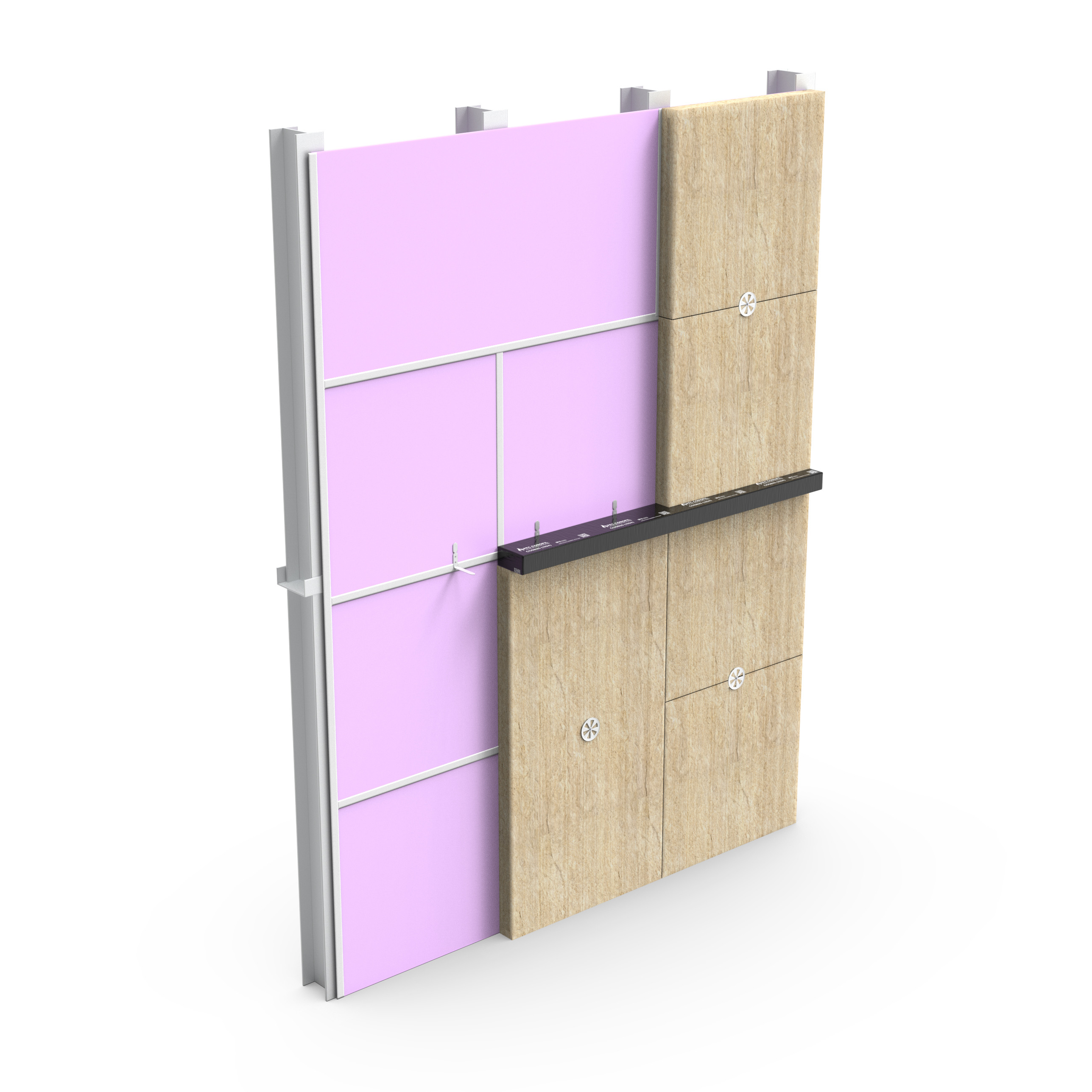
PFC Corofil cavity fire barriers

Cavity fire barriers are passive fire protection products installed within concealed wall, floor and roof cavities to restrict the unseen spread of fire and smoke.

PFC Corofil’s range includes open state cavity barriers for ventilated facades and full fill cavity barriers for closed cavities, with solutions for both horizontal and vertical installation across rainscreen, masonry and brickwork facades. Every system is third party tested and certified to BS EN 1363-1 and ASFP TGD19 for open state barriers, and BS EN 1366-4 for full fill barriers.

Use the PFC Corofil Cavity Barrier Specifier to match a product to your cavity and build-up.

Black and white circular icon with a stylized dumbbell inside, positioned in the upper left corner.

What is a cavity barrier?

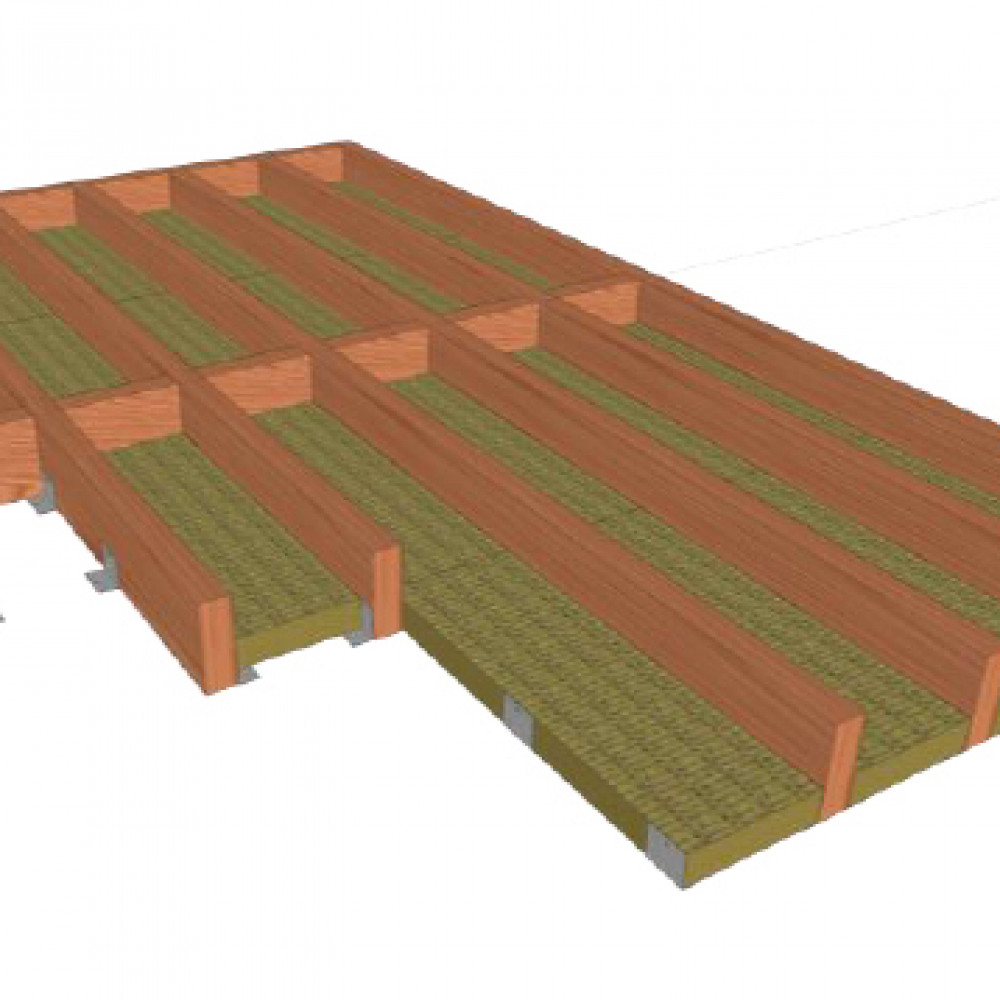
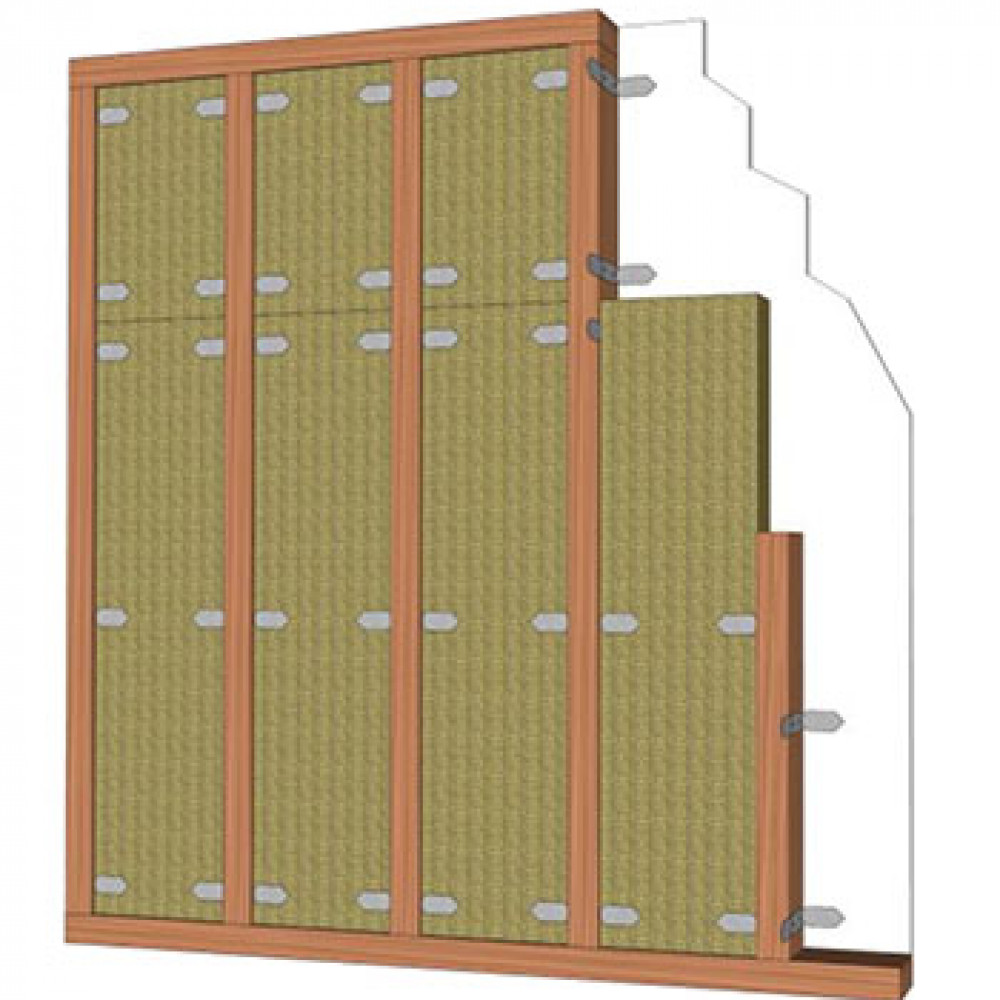
A cavity barrier is a fire resisting component installed within concealed voids such as external wall cavities behind cladding systems, voids within timber frame construction, and ceiling and floor voids. Without them, these spaces can allow fire and smoke to spread rapidly through a building, often undetected.

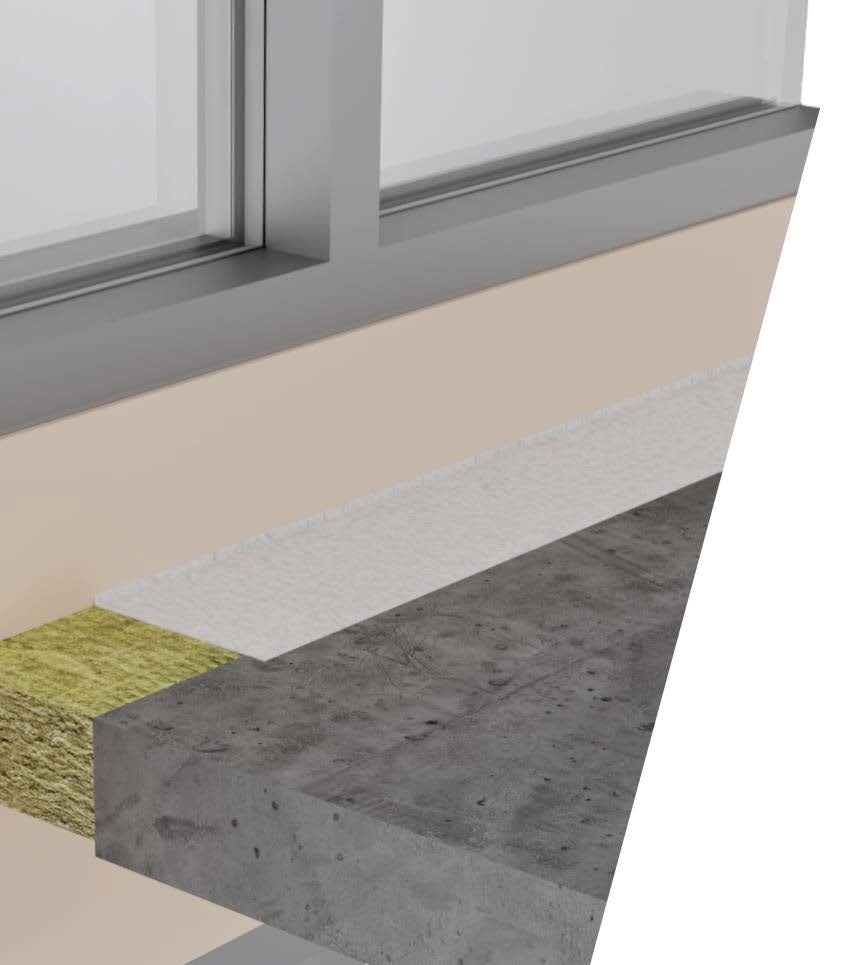
Approved Document B requires cavity barriers to be installed at key points, including compartment lines, around openings such as windows and doors, at junctions with floors and walls, and at the edges of cavities.
Types of cavity barrier

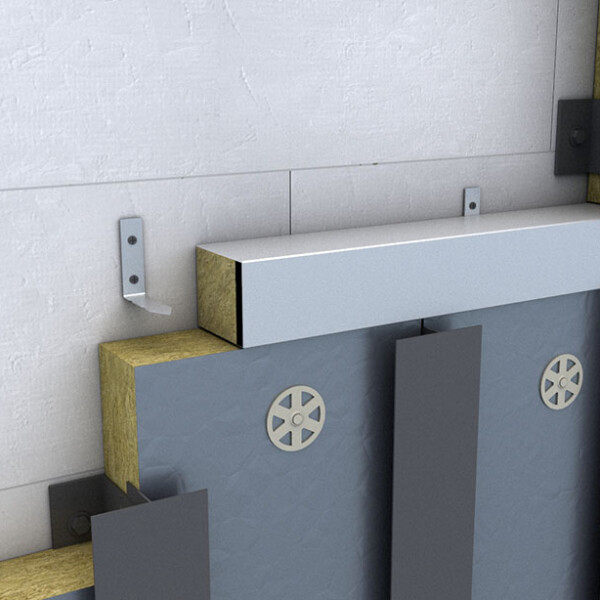
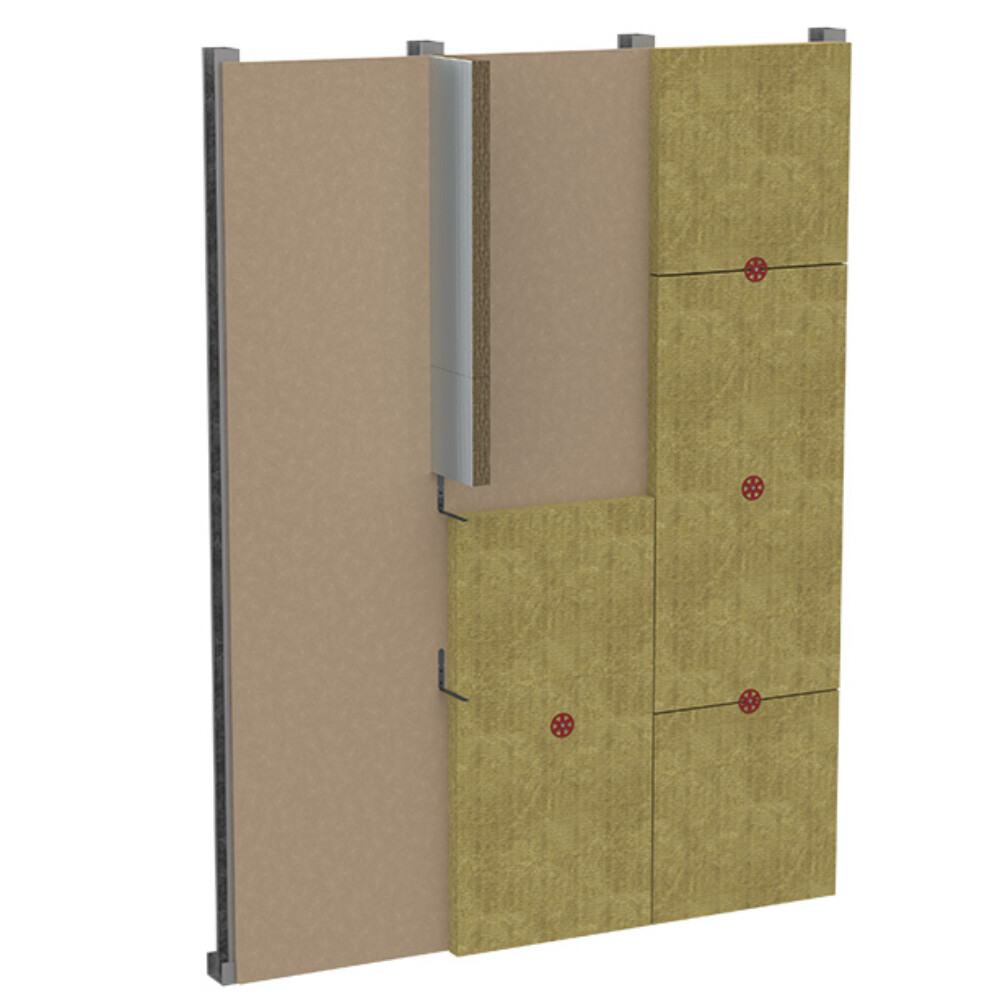
Cavity barriers are classified by ventilation requirement, open state or full fill, and by installation direction, horizontal or vertical.

Open state (ventilated) cavity barriers

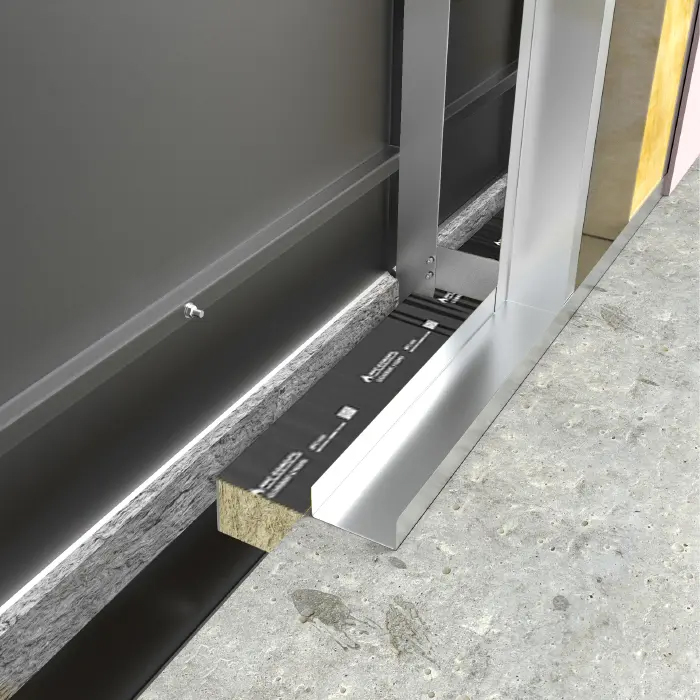
Open state cavity barriers are used within ventilated facade systems, maintaining airflow in normal conditions while providing fire stopping when exposed to heat. When activated by fire, the intumescent component expands to close the air gap, preventing fire and smoke spread through the cavity.

These systems are designed for ventilated rainscreen and facade applications, supporting airflow, drainage and moisture control while maintaining fire performance.

Full fill (non-ventilated) cavity barriers

Full fill cavity barriers are designed for closed cavity applications where ventilation is not required. These systems fully seal the cavity to maintain compartmentation.

  • Cavity Fire Stop CCFS, a stone wool cavity barrier suitable for horizontal and vertical installation, for cavity widths up to 600mm, providing up to 120 minutes fire resistance (integrity and insulation)
  • Cavity Fire Barrier CCFB, a stone wool barrier for masonry cavities, designed for cavities up to 300mm, allowing compression during installation in brickwork, providing fire resistance in line with EN 1366-4 testing

Full fill systems can also be supplied cut to specification, with foil facing, or with integral DPC where required.

Horizontal and vertical cavity barriers

Horizontal cavity barriers are installed at floor levels within external wall cavities, preventing vertical fire spread between storeys. Vertical cavity barriers are installed at party wall lines and compartment walls, preventing horizontal fire spread within cavities. PFC Corofil open state systems such as the COSB barriers suit horizontal applications within ventilated facades, while full fill barriers such as CCFS are used where cavities are closed and for vertical installation across substrates including masonry, steel frame systems and timber constructions

The range also includes the Fastight Curtain Wall Barrier CFCW and the PFCTS CF and CW systems using the Corofil slab. For linear movement joints in the same facade, see the PFC Corofil Linear Gap Seals range.

Fire performance and compliance

PFC Corofil cavity barriers are tested to relevant EN fire resistance standards and third party certified, including UL-EU certification on CCFS.

  • Up to 120 minutes fire resistance
  • Protection for cavities up to 600mm wide
  • Suitable for masonry, steel frame and timber constructions

All products are supported with technical datasheets, certification documentation and specification guidance via NBS Source and the PFC Corofil website.

Why choose PFC Corofil cavity barriers

  • Enhanced fire safety, preventing the spread of flames and heat within cavity walls
  • Regulatory compliance with fire safety regulations and building codes
  • High performance, with fire resistance up to 120 minutes
  • Versatility across ventilated and non-ventilated cavities and various types of brickwork and masonry

Frequently Asked Questions

A cavity barrier is a fire resisting product installed within concealed wall, floor and roof cavities to restrict the spread of fire and smoke.

Approved Document B requires them at key points, including compartment lines, around openings such as windows and doors, at junctions with floors and walls, and at the edges of cavities.
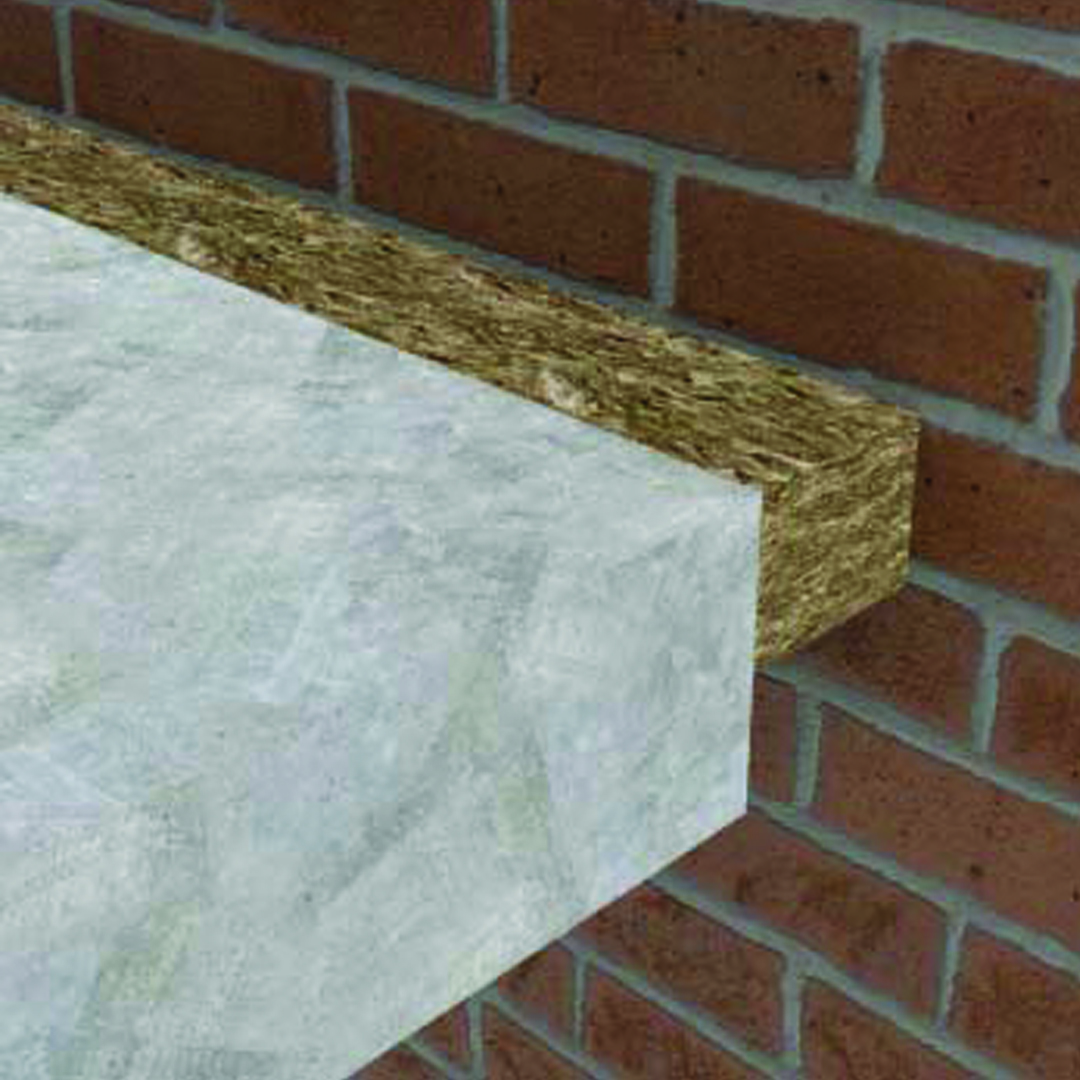
Open state barriers keep a ventilated cavity open in normal use and close it with an intumescent in a fire. Full fill barriers seal a closed cavity where ventilation is not required.

The range protects cavities up to 600mm wide, with open state options for 25mm and 44mm air gaps and full fill options for masonry cavities up to 300mm.

Yes. They are tested to relevant EN fire resistance standards and third party certified, including UL-EU certification on CCFS.

Make an enquiry