

Understanding Fire Ratings:
What 30, 60, & 120 Minutes Actually Mean
Fire ratings are one of the most misunderstood aspects of passive fire protection.
Understanding what “30‑minutes,” “60‑minutes,” or “120‑minutes” fire performance actually means is essential for choosing the right products for a project and ensuring compliance.
Our simple guide breaks down what fire ratings are, how they’re tested, and what they mean in real‑world applications. If you’re an architect, contractor, or site manager, the following is essential knowledge.
What Is a Fire Rating?
A fire rating, or fire resistance rating, is a measure of how long a building element can resist fire during a standardised fire resistance test. The rating represents the time (in minutes) that a component – such as a cavity barrier or firestop – can maintain its performance when exposed to fire.
Fire ratings typically assess one or more of the following:
- Integrity (E) – preventing flames and hot gases from passing through
- Insulation (I) – limiting heat transfer
- Loadbearing (R) – maintaining structural support
Many passive fire protection products are tested for E and EI performance depending on their intended use. This is because some applications only require the prevention of flame spread, while others require additional heat limitation in order protect occupants, the structure itself, or critical services.
What “30 Minutes” Really Means
A 30‑minutes fire rating indicates that a product or system has been tested to withstand fire exposure for at least 30 minutes without failing its integrity or insulation criteria.
30‑minute ratings are typically used in:
- Internal partitions
- Smaller residential applications
- Areas where escape times are shorter
- Typical cavity barrier installations
- Domestic refurbishments and conversions
While 30‑minute products do provide essential compartmentation, they are not always suitable for complex or higher‑risk buildings.
Understanding 60 MinuteS Fire Ratings
Next we have the 60‑minutes rating – one of the most common requirements in larger commercial and residential construction.
60‑minute ratings are commonly specified for:
- Multi‑storey residential buildings
- Schools and universities
- Modular buildings
- Commercial offices
- Cavity barriers to meet certain fire strategies
These products provide greater resilience, allowing more time for evacuation and for fire services to respond.
What About 120 Minutes - and Even Higher?
Finally, 120‑minutes (2‑hour) fire ratings offer significantly enhanced protection. 120-minute rated products are frequently used in high rise and higher risk buildings or areas where failure would pose a substantial risk to occupants and the wider structural integrity of a building.
Typical applications include:
- Hospitals and healthcare facilities
- High‑rise buildings
- Escape routes
- Firefighting shafts
- Critical infrastructure
- Cavity barriers to meet enhanced fire strategies
A 120‑minute product ensures that compartment lines hold long enough for building users (especially in taller buildings) to evacuate and for emergency services to control the spread of fire.
Some passive fire protection systems can even achieve 4‑hour ratings, providing extremely robust protection in specialist environments.
How Are Fire Ratings Tested?
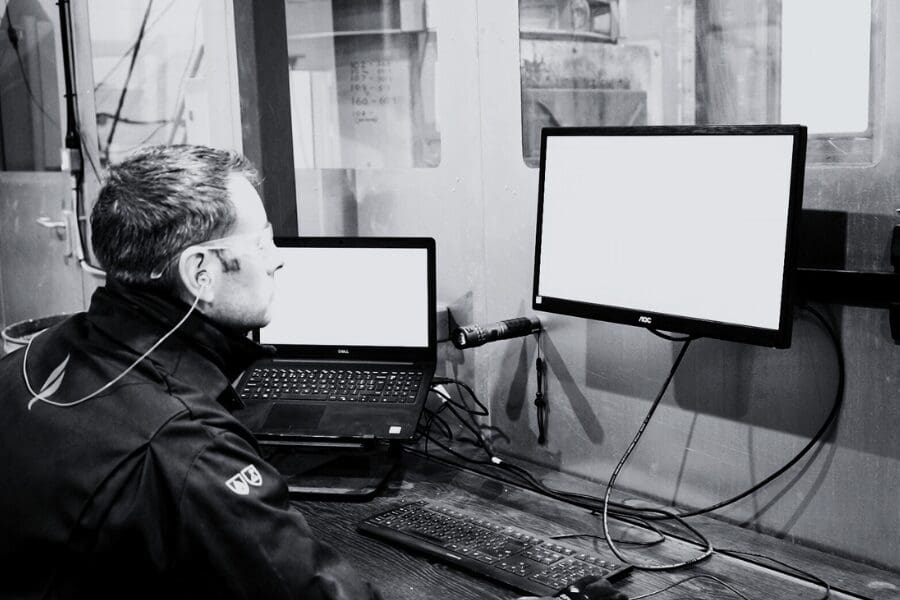
To achieve fire rating certification, products are tested in accredited fire laboratories adhering to recognised standards such as:
- BS 476 (UK traditional standard)
- BS EN 1363-1 / BS EN 1366 Series (European performance standards)
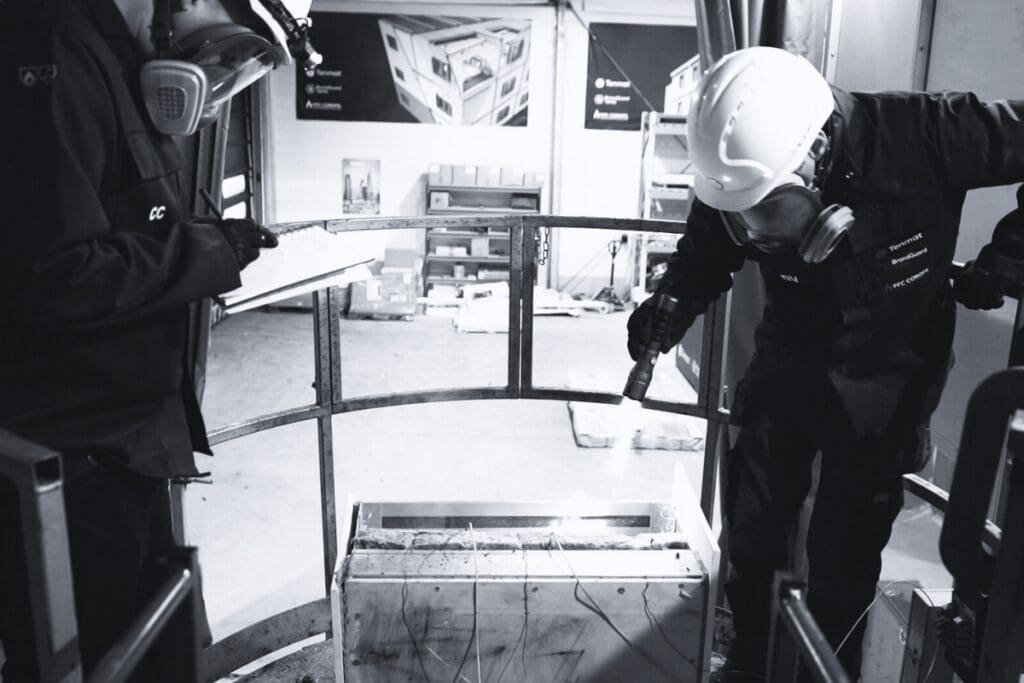
During testing, the component is exposed to fire in a furnace that follows a standard time‑temperature curve. Performance is measured against failure criteria such as:
- Passage of flames
- Excessive temperature rise
- Structural collapse
- Loss of integrity
Only products that successfully complete the full duration earn the rating.
Fire Ratings and Cavity Barriers
In façade systems, selecting the correct cavity barrier rating is critical. Key considerations include:
- Façade type (e.g., brickwork, cladding, modular)
- Cavity size
- Required compartmentation lines
- System fire strategy
- Whether the barrier is open‑state or closed‑state
This is where clear documentation and tested systems become essential.
How to Choose the Right Rating
A simple rule of thumb:
- 30 minutes → Low‑risk building or internal partitions
- 60 minutes → Larger commercial and residential buildings
- 120 minutes+ → Critical areas, high‑rise, high risk buildings
However, the correct rating should always be confirmed by:
- The building’s fire strategy
- Project specifications
- Test evidence from the manufacturer
- Guidance from architects or fire engineers
FINAL THOUGHTS
Fire ratings are more than numbers – they are a clear indication of how well a building element will perform when it matters most. By understanding what 30, 60, or 120 minutes actually represent, specifiers and contractors can make informed decisions that protect people, buildings, and projects.